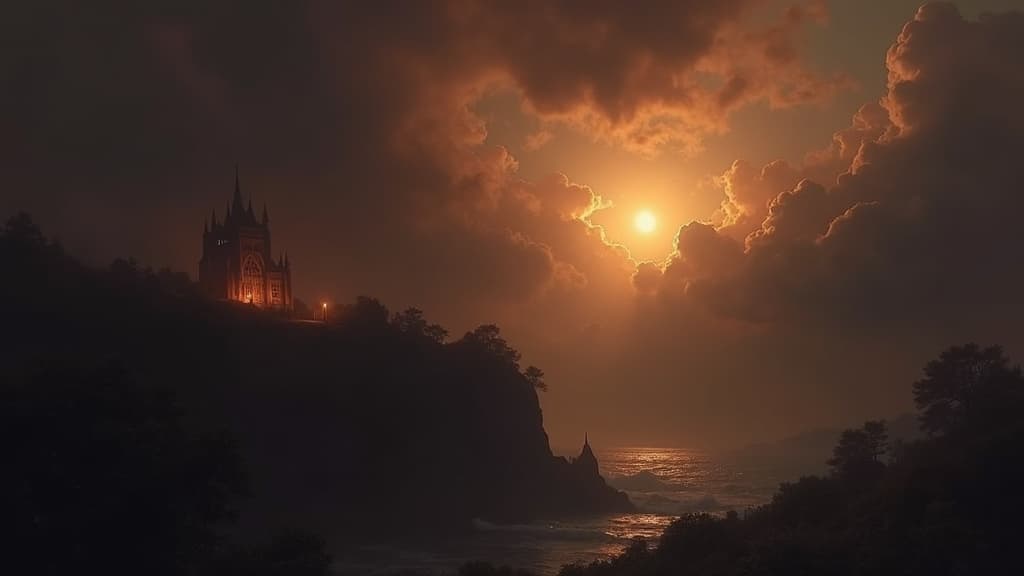
Romanticism
The triumph of emotion, nature, and imagination over reason and conformity. An era when artists dared to feel deeply and change the world forever.
The Romantic Timeline
A movement that transformed art, literature, and music across seven decades
Emergence
Early stirrings in Germany and Britain
Lyrical Ballads
Wordsworth & Coleridge manifest the revolution
Golden Age
Peak of Romantic literature and art
Victorian Echo
Romantic ideals persist in industrial age
Core Characteristics
The defining principles that made Romanticism revolutionary
Emotion & Passion
Prioritized feeling over reason, celebrating intense personal experience and emotional truth.
Nature as Sublime
Viewed nature as powerful, awe-inspiring force capable of evoking spiritual transcendence.
Individualism
Celebrated the unique self, personal vision, and rejection of conformity and convention.
Imagination
Elevated imagination and intuition as primary means of understanding the world.
Melancholy & Darkness
Explored sadness, loss, and the darker aspects of human experience with artistic depth.
Freedom
Rebelled against neoclassical restraint and social conventions, celebrating liberation.
Architects of the Romantic Spirit
Visionaries who shaped and defined the Romantic era
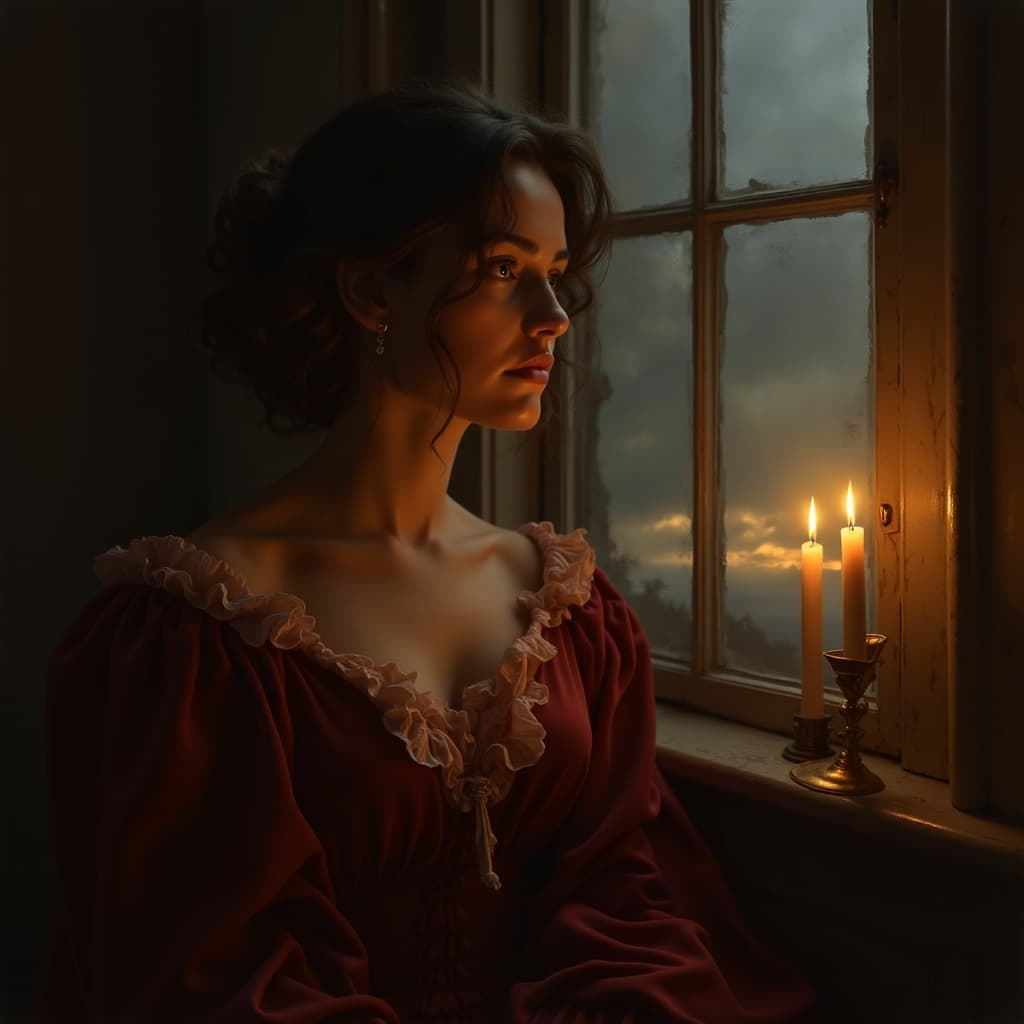
Lord Byron
Poet
A revolutionary voice in literature who embodied the rebellious spirit of Romanticism. His dramatic, passionate verse and tumultuous life made him the archetype of the Romantic hero.
John Keats
Poet
Mastered the sensory intensity of Romantic poetry, exploring beauty, melancholy, and the transient nature of human experience with unparalleled lyrical grace.
Mary Shelley
Novelist
Creator of Frankenstein, she pioneered the fusion of Romantic ideology with speculative fiction, exploring humanity's relationship with nature and creation.
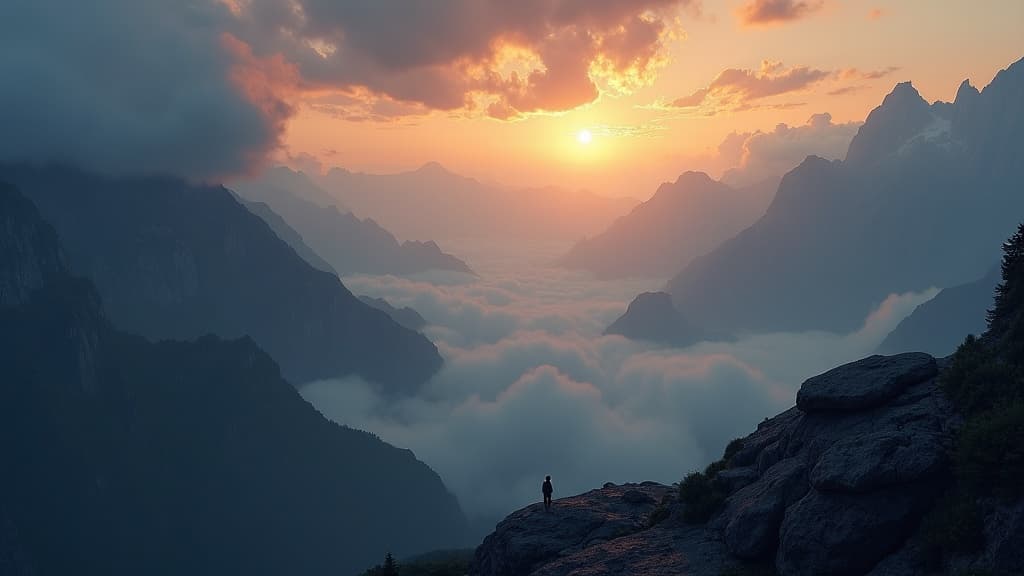
J.M.W. Turner
Painter
Revolutionary landscape painter who captured the sublime beauty and raw power of nature through dramatic use of light, color, and atmospheric effects.
Caspar David Friedrich
Painter
Master of the sublime landscape, creating contemplative compositions that evoke spiritual transcendence and the individual's communion with infinite nature.
Ludwig van Beethoven
Composer
Bridged Classical and Romantic eras, revolutionizing symphonic form with emotional intensity, innovative orchestration, and a profound spiritual vision.
Artistic Manifestations
How Romanticism transformed different artistic disciplines
Romantic Literature
- ◆Lyrical poetry emphasizing personal emotion and natural imagery
- ◆Gothic novels exploring dark psychology and supernatural themes
- ◆Historical fiction reviving medieval and exotic settings
- ◆First-person narratives and stream of consciousness
Romantic Art
- ◆Landscape painting capturing nature's power and majesty
- ◆Use of vivid color, dramatic light, and theatrical composition
- ◆Portraiture revealing psychological depth and emotional states
- ◆Historical and mythological subjects rendered with contemporary passion
Romantic Music
- ◆Expanded orchestra and innovative harmonic language
- ◆Program music telling stories and evoking landscapes
- ◆Lied (song cycle) merging poetry with composition
- ◆Virtuosic performances celebrating individual artistic genius
Echoes That Shaped Modernity
The Romantic movement didn't end in the 1850s—it fundamentally transformed human consciousness and culture in ways we still feel today.
Art & Aesthetics
Established that art's purpose is emotional expression and personal vision, not mere technical skill or adherence to rules.
Environmental Consciousness
Pioneer the modern environmental movement by celebrating nature's intrinsic value and lamenting its destruction during industrialization.
Individual Rights
Championed personal liberty, artistic freedom, and the celebration of individual uniqueness—values that underpin modern democracy.
Popular Culture
Created the template for modern celebrity, the tortured artist, and the rebel hero archetype pervasive in film and literature.
The Romantic Legacy
Romanticism was more than an artistic movement—it was a philosophical revolution that reclaimed the human right to feel, to imagine, to rebel against conformity. It taught us that emotion is not weakness but wisdom, that nature is sacred, and that the unique individual voice is more powerful than imposed convention.
Every time we celebrate an artist's unique vision, protect a wild landscape, or defend individual freedom, we are living the Romantic ideal.